
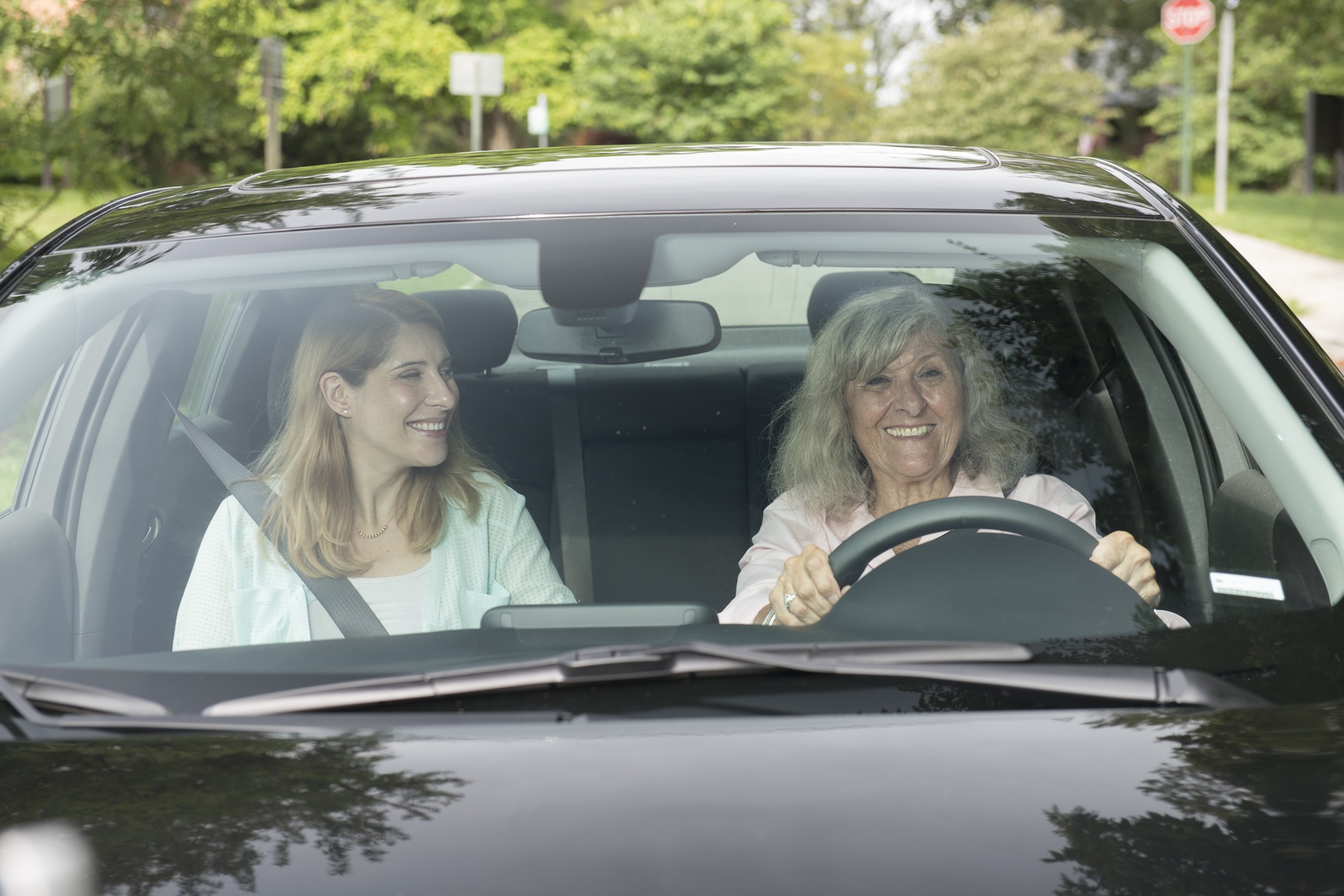
Aging affects everyone differently. When it comes to driving, it is important to understand the impact age-related changes may have on one’s safe driving ability.
- Crashes are more harmful for older adults than their younger counterparts because reaction times decrease with age, and older individuals may be more prone to injury in a crash.
- Decisions about someone’s ability to drive should never be based on age alone. However, changes in vision, physical fitness, and reflexes may cause safety concerns. By accurately assessing age-related changes, drivers can adjust their driving habits to remain safe on the road or choose other kinds of transportation.
- One way to stay safe while driving is by making sure you understand how medical conditions can affect one’s ability to drive safely.
- Begin talking about safe driving in general long before difficulties are noticed. Ultimately, it is a person’s driving performance, not age, that should determine fitness to drive.
- Plan trips at times of day when traffic is light, and plan routes to reduce conflict with other traffic.
- Driving at night may become challenging as one ages.
- Older drivers can plan their schedule early to be home before the sun goes down.
- During the winter months the sun goes down early, so plan accordingly.
- When out in the dark, be sure headlights are on, slow down and keep an eye out for all road users.
- Older drivers should be proactive about being safe drivers.
- Families of older drivers should work with their loved ones to plan for safe mobility even beyond the driver’s seat.
For more information about older drivers, visit NHTSA.gov/OlderDrivers.